
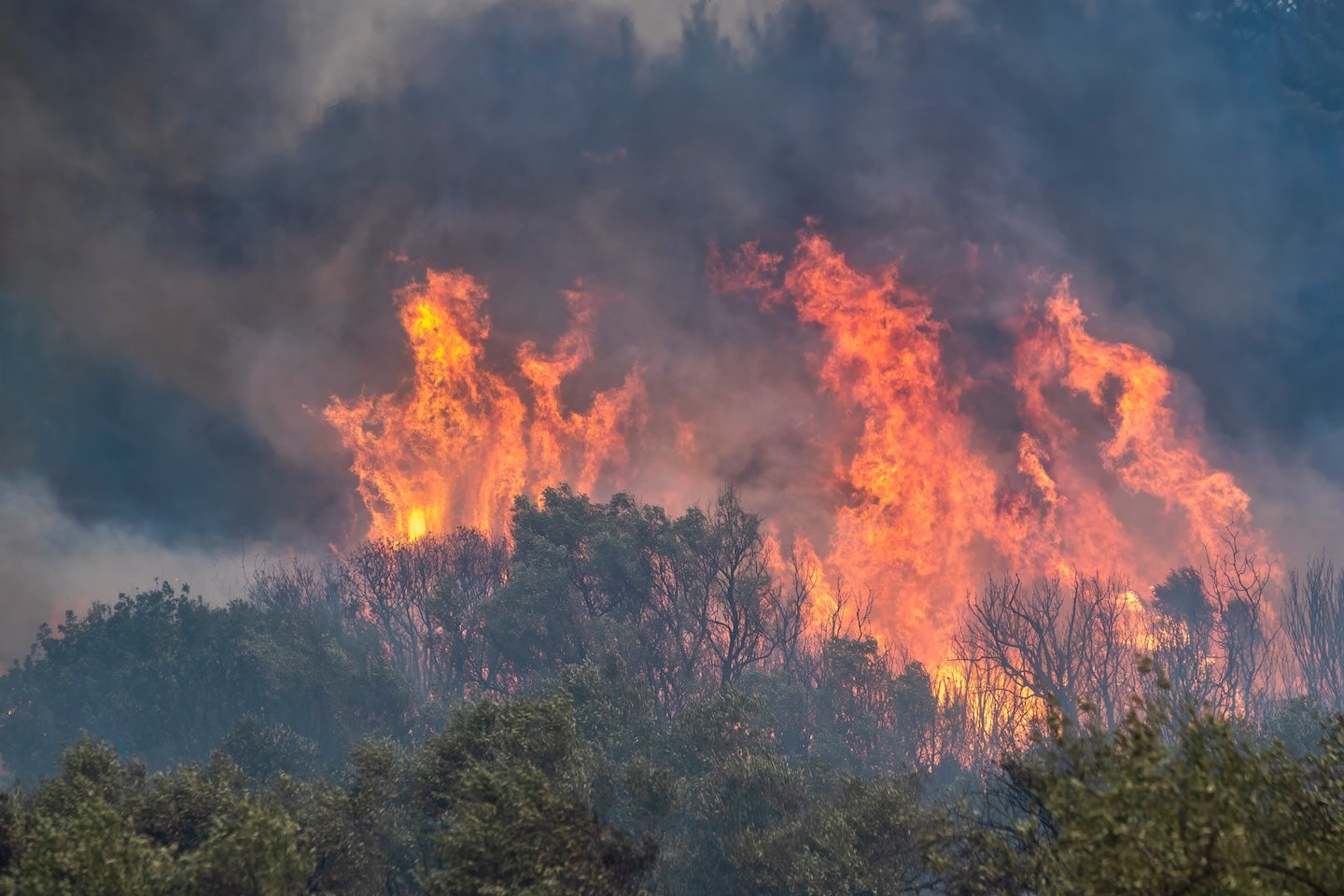
The impact of severe weather events is increasingly hurting insurers and this is particularly evident in the summer of 2026 across Europe. Wildfires have been spreading across France, Spain, and Greece throughout the summer. France has been hit especially hard, with 220,000 people evicted across the country and the credit ratings agency Morningstar DBRS estimating losses of between $10bn and $15bn for domestic French insurers.
GlobalData’s Global Insurance Database shows that natural fire and hazard premiums totalled $2.4bn in France in 2024 with claims at $2.2bn; a difference of just $218m. This highlights how thin the margins can be in this high-risk line and illustrates how difficult 2026 will be for insurers.
Go deeper with GlobalData

Access deeper industry intelligence
Experience unmatched clarity with a single platform that combines unique data, AI, and human expertise.
The wildfires are still ongoing in France and could get considerably worse if they get even closer to cities such as Bordeaux, where they have already caused a great deal of disruption. It is yet more evidence that insurers around the world should be extremely concerned by climate change and the impact of severe weather events. A GlobalData poll on Verdict Media sites in May 2024 found that 25.0% of respondents believed severe weather events to be the greatest risk to the insurance industry, which placed it second behind cyber threat.
Reuters says that wildfires in France are not covered by its state-backed compensation scheme (which only covers floods and droughts). Therefore, all of the burden will fall on insurers. The long-term risk here is that insurers pull away from personal and commercial policies in high-risk areas and large areas of land and population become uninsurable.
This is one of the most-pressing issues in insurance, with more serious events becoming increasingly likely every year. Insurers and governments will need to work out how they can continue to insure increasingly large areas, with many communities and businesses at risk.