
AI offers exciting and wide-ranging opportunities for insurers, but it also significantly increases the threat of fraud. This technology boosts the speed and accuracy with which fraudsters can target individuals and insurers, with Aviva reporting more than 18,000 suspect claims worth £233m across its brands in 2025, with AI being a key contributing factor. This included faked car crashes, exaggerated claims, and fake documents.
GlobalData’s 2026 UK Commercial Insurance Broker Survey found that UK brokers view the rise of AI as the fourth-greatest threat facing them this year. 9.6% of brokers selected it as the greatest threat—a significant increase from 2025, when this option ranked eighth with just 5.2% of brokers selecting it. In 2026, the rise of AI ranked only behind economic crisis, competition from other brokers, and a soft market as brokers’ biggest threats.
Go deeper with GlobalData


Access deeper industry intelligence
Experience unmatched clarity with a single platform that combines unique data, AI, and human expertise.
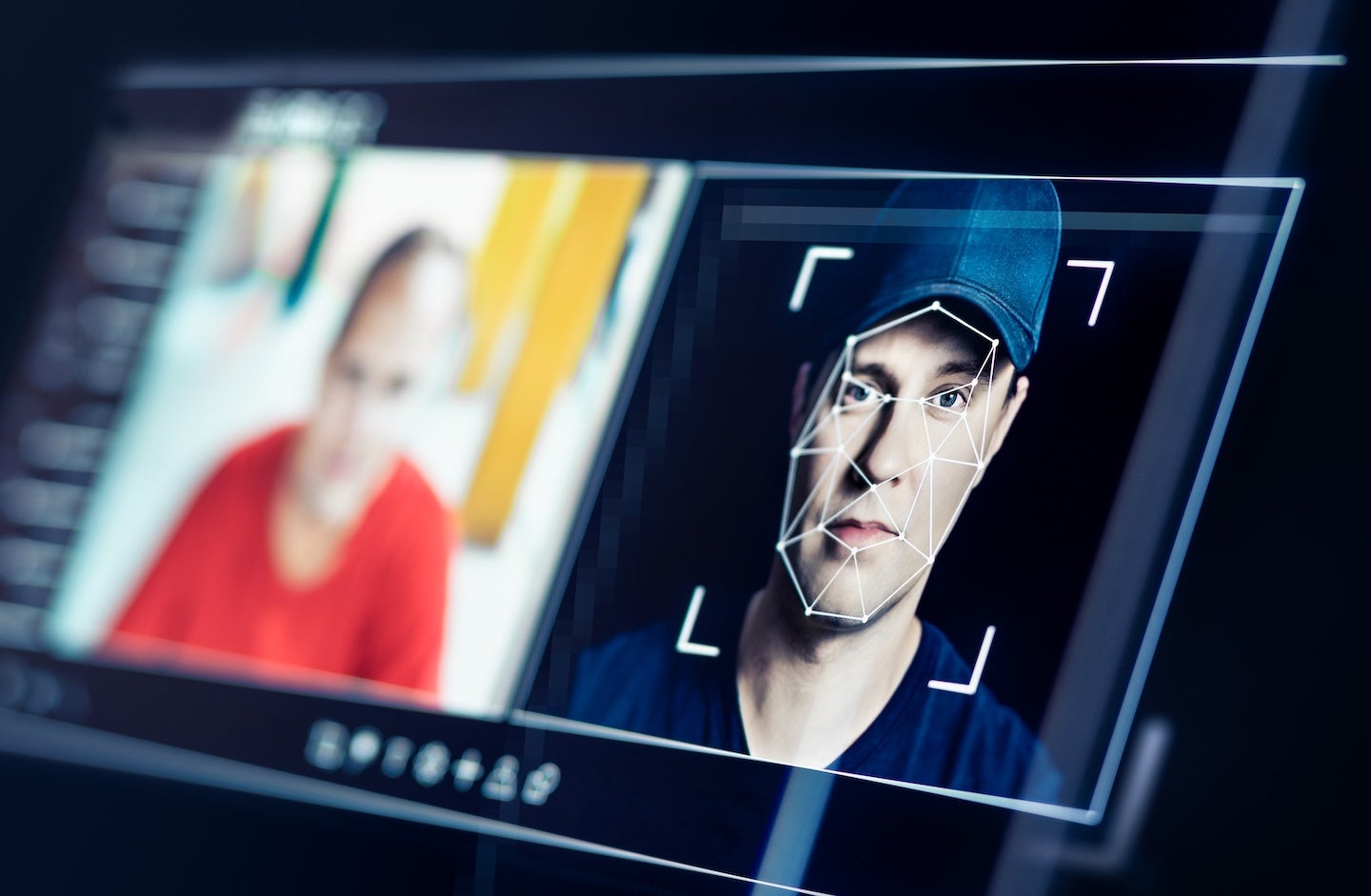
The greatest and most immediate risk posed by AI for fraudulent claims is the ability to fake images and videos. This means fraudsters could fake images of damage to cars and even videos of crashes to start an insurance claim, for example. Or on a more basic level, AI can be used to fake documents such as medical records. Audio fraud is another risk, where fake voices on phone calls can either get past call centre verification or scam customers.
Crucially, the acceleration of AI usage in this area makes conducting fraud much easier. It requires much less skill and preparation than it previously did while massively increasing scalability for fraudsters.
While insurers, brokers, and reinsurers are striving to understand how to best use AI across the insurance value chain, the most urgent action may need to be how to spot increased levels of fraud caused by AI. Insurers will need to use AI to counteract the negative impacts of the technology. Solutions that can identify patterns as well as fake documents, audio, pictures, and videos should be at the forefront of providers’ AI innovation.