Cascading risks linked to the highly volatile geopolitical landscape are driving demand for insurance products that safeguard day-to-day business operations, according to a GlobalData poll. Meanwhile, the availability of insurance products to protect against such impacts remains compromised as insurers struggle to adapt to the rapidly changing risk landscape.
According to a poll conducted by GlobalData on Verdict Media sites in Q2 2026 —which garnered 107 responses from industry insiders—supply chain insurance (41.1%) is the product set to see the highest demand due to geopolitical tensions. The second most sought-after product is cyber insurance, commanding 20.6% of responses.
Go deeper with GlobalData

Access deeper industry intelligence
Experience unmatched clarity with a single platform that combines unique data, AI, and human expertise.
Businesses overwhelmingly view the fallout of geopolitical tensions through the lens of indirect operational disruption, seeking products that safeguard daily commercial operations. In contrast, demand for specialist transport and direct asset protection is lower. This highlights that organisations are deeply concerned about trade route blockages, state-sponsored cyberattacks, and collateral revenue losses that can have a cascading effect on operations, thus threatening day-to-day business continuity.
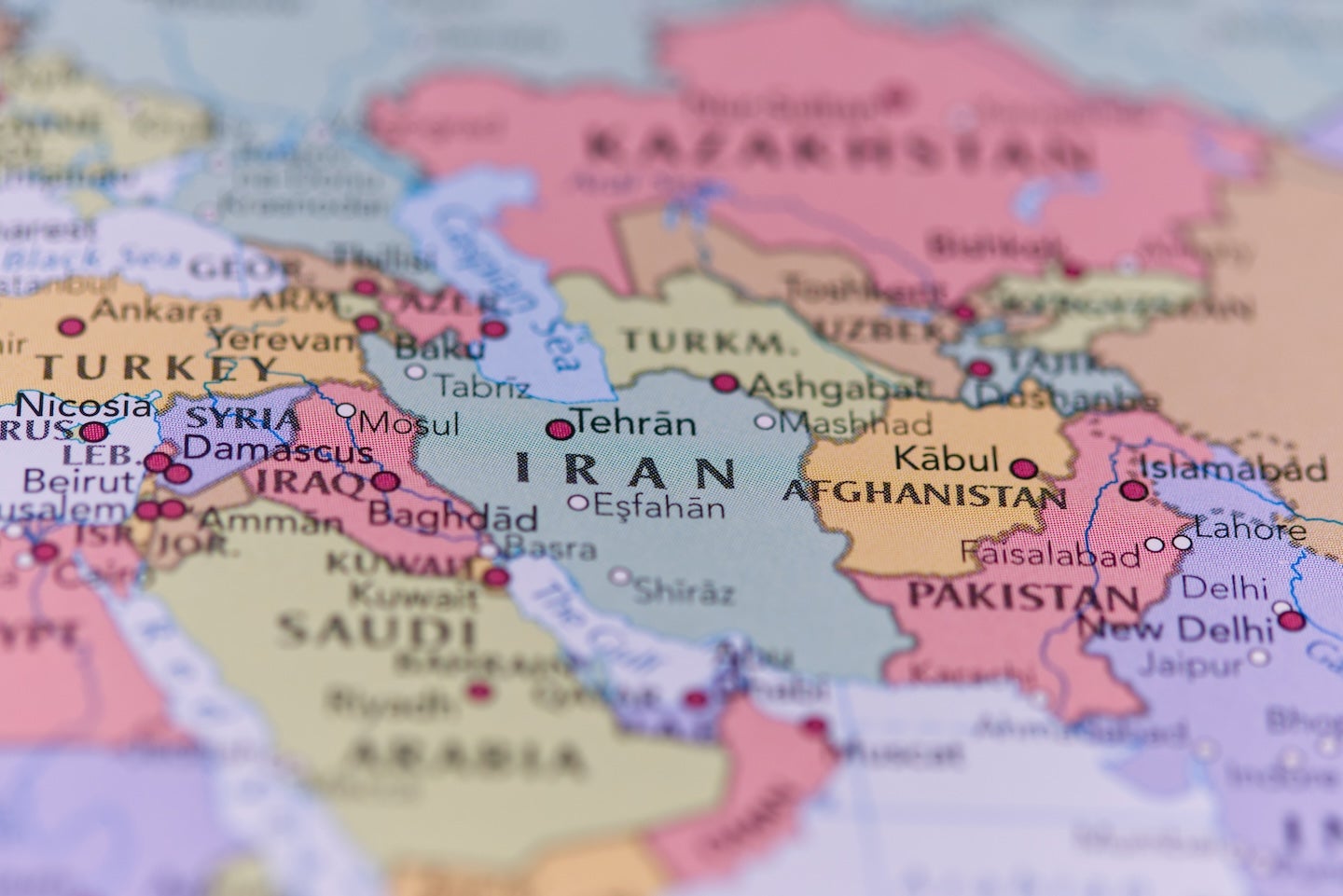
Ongoing conflicts in the Middle East and Eastern Europe are creating specific trade bottlenecks such as in the Suez Canal and Strait of Hormuz, leading to widespread shipping reroutes, while alternative maritime corridors are emerging. Meanwhile, the US’s shift toward economic nationalism—marked by sudden tariff hikes, export restrictions, and sanctions—is pressuring international trade supply networks.
Although demand exists, paradoxically, insurance capacity is compromised as many insurers pull products from the market fearing that the risks are unquantifiable. This highlights a key challenge for the industry, whereby only insurers with the most risk appetite are willing to adapt their underwriting strategies and product offerings. This requires providers to tighten policy wordings and exclusions around tariffs and sanctions, as well as stress-test products to avoid catastrophic losses from a single event. In addition, real-time geospatial tracking is gradually gaining traction for more accurately assessing risks and improving underwriting.