Iran’s Economy Ministry has outlined a framework that would use marine insurance as a mechanism to assert permanent economic and administrative control over the Strait of Hormuz, according to a document reported by the IRGC-affiliated Fars News Agency.
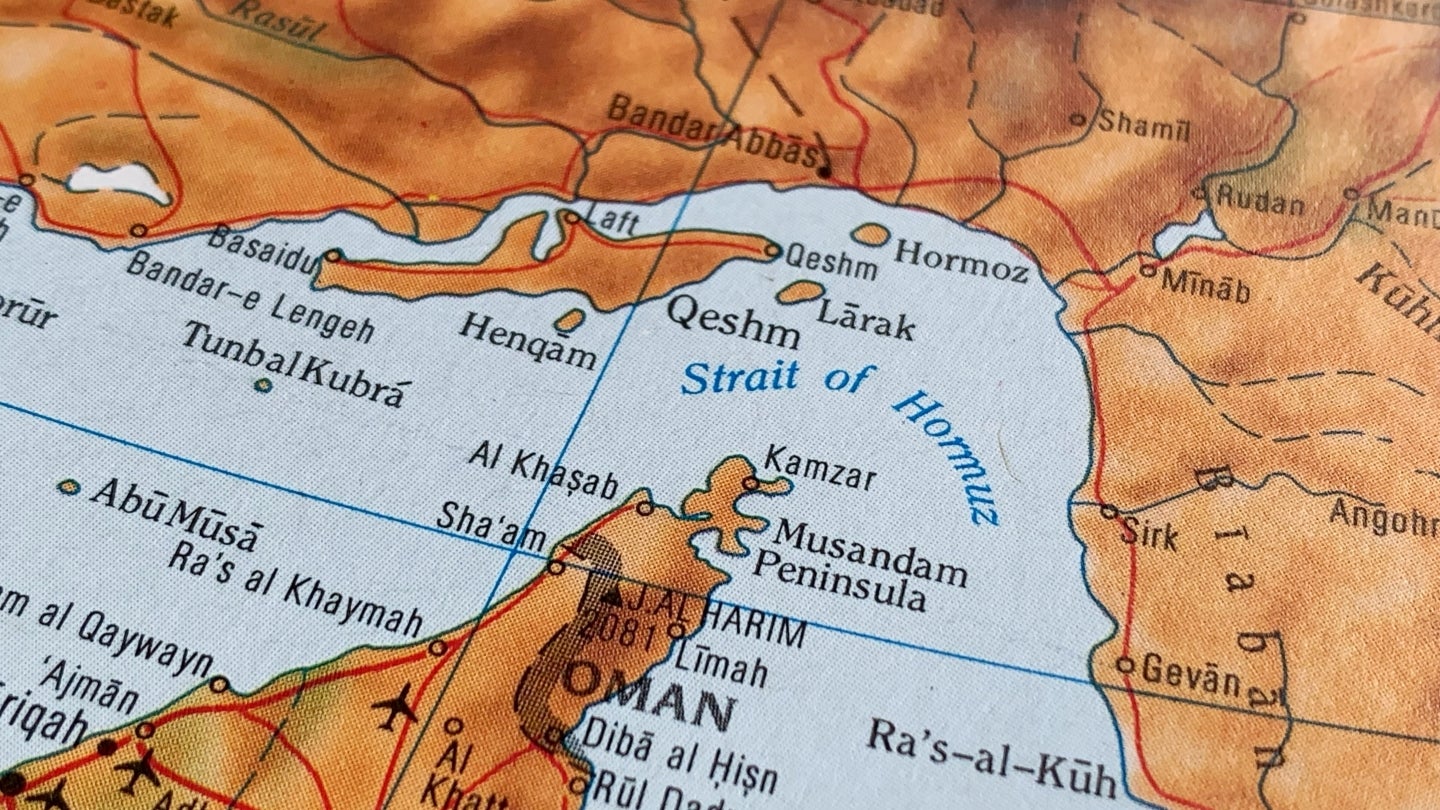
The Strait of Hormuz – the narrow waterway dividing Iran from Oman and the United Arab Emirates and connecting the Persian Gulf to the Gulf of Oman and Arabian Sea – is among the most strategically significant maritime passages in the world.
Go deeper with GlobalData


Access deeper industry intelligence
Experience unmatched clarity with a single platform that combines unique data, AI, and human expertise.
Under the proposed model, Iran would issue marine insurance policies and certificates of financial responsibility to vessels using the waterway.
The ministry argues that this approach would give Iran informational dominance as well as the capacity to differentiate between ships by nationality.
The plan is envisaged in stages. The first phase would cover inspection, detention and confiscation, while explicitly excluding losses caused by weapon strikes.
Despite being positioned as a low-risk entry point, this initial phase is projected to bring in more than $10bn in revenue.
The ministry’s document also considers an alternative – direct tolls on ships in a post-conflict period.
While assessed as legally viable, that route is judged to carry greater political exposure and to cap revenue at $2bn under the most favourable conditions, making it a less attractive option in the ministry’s view.
The proposal comes against the backdrop of what Iranian state-affiliated media has called the “Ramadan War” – the ongoing conflict involving the US and Israel – during which Iran declared that authority over the strait rests with its armed forces.
The insurance framework is presented to convert that wartime posture into a durable, formalised arrangement, partly in recognition of losses Iran says it has sustained from the passage of vessels it regards as hostile.
The ministry is framing the insurance model as Iran’s preferred long-term instrument for combining strategic oversight with revenue generation at one of the world’s most critical maritime chokepoints.